Crate training turns a simple enclosure into your puppy’s personal sanctuary, a place where they feel secure and rest peacefully. Done right, it supports house training, prevents destructive chewing, and helps puppies learn to self-soothe without stress.
Why Crates Create Safety
Dogs naturally avoid soiling their sleeping area, making crates powerful for housebreaking. They also mimic a den, offering a quiet retreat from household chaos. A well-trained puppy views the crate as home base—comfortable for naps, travel, or when you’re busy—not isolation.
Choosing the Right Crate
Pick a size where your puppy can stand, turn around, and lie flat—nothing bigger, or they’ll potty in one corner. Wire crates offer visibility and airflow; plastic ones feel more enclosed for shy pups. Dividers let you adjust space as they grow. Avoid cheap models that collapse or have sharp edges.
Setting Up a Cozy Den
Line the bottom with a fitted crate mat or towel that absorbs accidents but can’t be shredded. Add a safe chew toy or stuffed Kong for entertainment. Cover three sides with a breathable blanket for privacy, especially at night. Place it in a family area during the day, near your bed initially for nighttime reassurance.
Step 1: Build Positive First Impressions
Leave the door open and toss treats inside randomly so your puppy wanders in voluntarily. Feed meals near or inside the crate, door propped open. Praise calmly when they enter—no big fuss. Repeat until they relax inside on their own, associating it with good things.
Step 2: Short Door Closes
Once comfy, say a cue like “crate” and close the door for 1-2 seconds, then open with a treat. Gradually extend to 5, 10, 30 seconds. Stay nearby, talking softly. If they whine, wait for quiet before opening—rewarding silence teaches self-settling.
Step 3: Alone Time Practice
Step out of sight for seconds, return before fussing starts, and treat calm behavior. Build to minutes, varying times to prevent anticipation. Practice during low-energy moments, like after play. Combine with exercise: tired puppies settle faster.
Daily Crate Routine
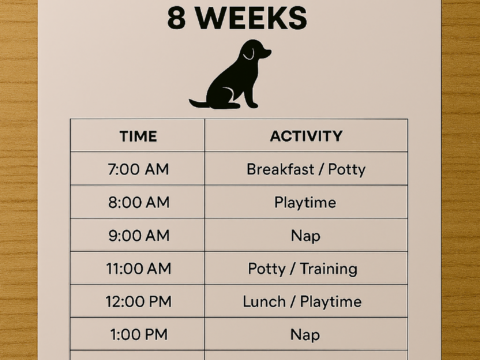
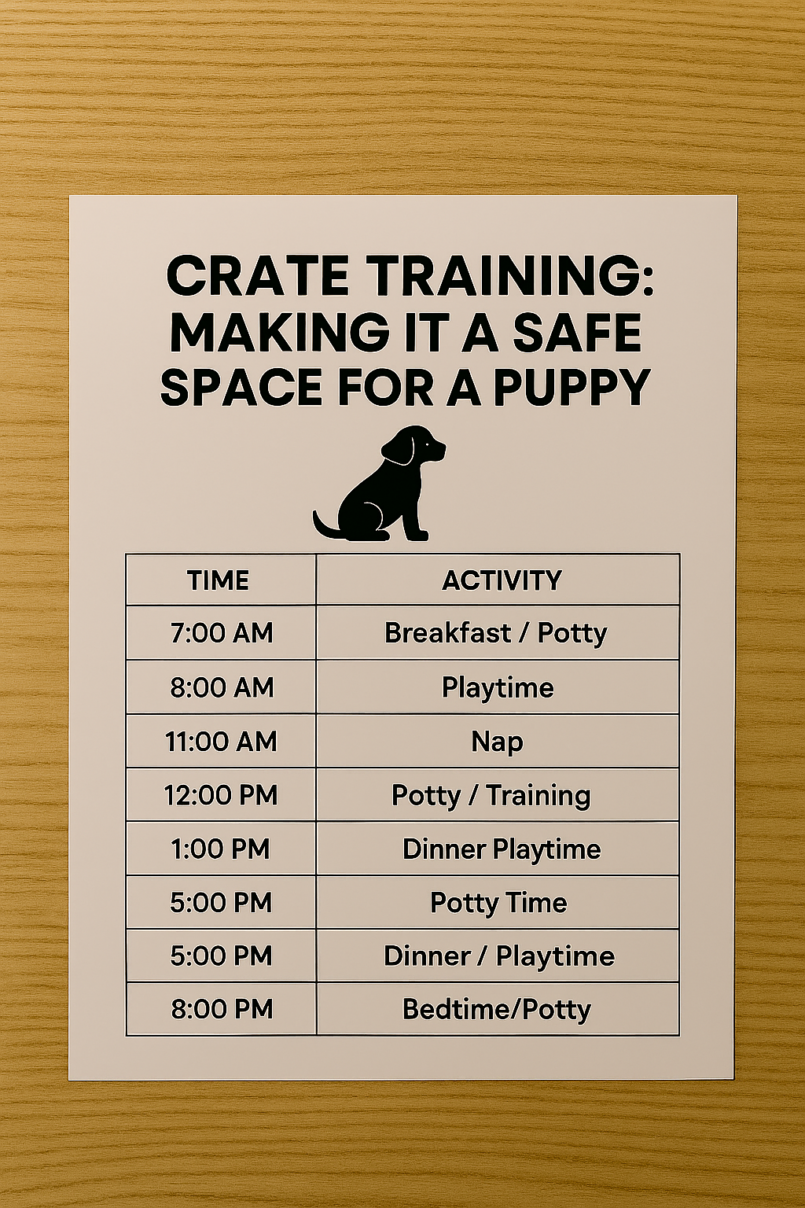
Use for naps after play (1-2 hours max for young pups), bedtime, and short absences. Never exceed their age in months plus one hour during day. Always potty first, then crate. Rotate toys to keep it fresh—a frozen Kong mimics littermate comfort.
Nighttime Crate Success
Position beside your bed so they hear your breathing. Ignore brief whines; comfort only for true potty needs (set alarms every 3-4 hours initially). Cover fully for darkness. Most puppies sleep through by 12-16 weeks with consistency.
Common Mistakes to Avoid
Don’t force entry or use as punishment—that breeds fear. Skip long sessions; overtired pups panic. No cloth bedding until chew-proof. Inconsistency confuses—everyone in the house must follow the plan. Rushing phases leads to setbacks.
Troubleshooting Whining or Escapes
Whining often means potty, boredom, or under-exercise—address needs first. For attention-seeking, wait out quiet moments. Escapes? Check for weak latches; add zip ties temporarily. If stress persists, slow down and rebuild positives.
Long-Term Crate Use
Many adult dogs choose their crate voluntarily for downtime. Fade forced use as house manners solidify, leaving door open. Keep for travel, storms, or visitors. A “safe space” mindset lasts a lifetime, easing vet trips or boarding. Patience in the first weeks yields a confident, crate-loving companion.