Scent Training for Dogs Near Me: Engaging Nose Work Classes
He sniffs everything in sight, turning walks into treasure hunts—channel that instinct into scent training, where his nose becomes a superpower. Nose work classes teach him to detect specific odors like birch, anise, or clove hidden in boxes, rooms, or outdoor spaces, mimicking real detection dogs. These engaging sessions provide mental workouts that tire him more than a long run, while building confidence and focus through positive reinforcement games.
Why Scent Training Captivates Dogs
Dogs experience the world through smell first—he has 300 million olfactory receptors versus our 6 million. Scent work taps this natural drive, letting him hunt independently without pressure to perform obedience tricks. Shy or reactive dogs thrive because they work one-at-a-time, avoiding overwhelming group play. High-energy pups burn mental energy, returning home calm and satisfied.
Classes progress from food hides to target scents on Q-tips, teaching clear alerts like nose freezes or sits. He learns problem-solving, boosting resilience against frustration. Owners read subtle body language changes—tail lifts, head snaps—deepening their bond as trusted handlers.
Core Benefits for Behavior and Health
Nose work reduces anxiety by lowering stress hormones during focused searches. Fearful dogs gain confidence through repeated successes, generalizing to vet visits or strangers. Seniors enjoy low-impact mental exercise, staving off cognitive decline. Reactive cases practice amid mild distractions, improving real-world manners.
Physically, sniffing engages his brain like puzzle toys, but 10x more effectively. Post-class, he naps deeply, easing household chaos. Competitions add goals, but recreational fun suffices for most.
Structure of Typical Nose Work Classes
Intro classes start with “find it” games: he searches treat-filled boxes in lines of 6-12. Instructors demo leash handling, praising enthusiastic noses. Dogs rotate one-by-one, crated between turns to prevent interference.
Intermediate levels introduce odors (birch first), teaching alerts via shaping—rewarding final responses first, back-chaining behaviors. Exterior searches add wind, grass variables. Advanced classes feature vehicles, containers, multiple hides.
Sessions last 60 minutes weekly for 6 weeks, small groups (4-8 dogs) ensure quality time. Positive reinforcement rules—no corrections.
Finding Classes Near You
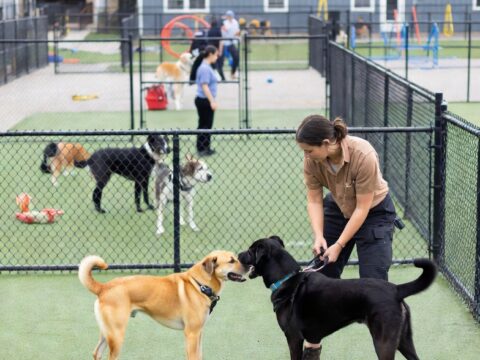
Search NACSW or K9NoseWork.com directories for certified instructors (CNWI). Las Vegas spots like SmartyPaws, Barx Parx, and imPETus offer intro nose work alongside obedience. Yelp highlights small-group formats suiting reactive dogs.
Expect $150-315 for 6-10 sessions; drop-ins $25-40. Prerequisites: basic focus, vaccines. Trial classes assess fit—shy he starts privately.
Class Levels and Progression
**Beginner:** Food/toy hides in boxes, building hunt drive (1-2 months).
**Novice:** Single target odor, interior searches, clear alerts (2-4 months).
**Intermediate:** Multiple odors, exteriors, vehicles (4-6 months).
**Advanced:** Trials prep, odor ID, competitions.
He advances at his pace; dropouts stay recreational.
Equipment and Prep Essentials
Minimal gear: 6-ft leash, harness, high-value treats (cheese, hot dogs), toys. Classes supply tins, swabs. Home kits ($20-50) include birch oil, containers.
Prep he with “find it” games—hide kibble in rooms, praise finds. Tire lightly pre-class for focus. Crate train for waits.
| Class Level | Focus | Duration | Cost Range |
|---|---|---|---|
| Intro | Food hides | 6 weeks | $150-250 |
| Novice | Target odor | 6-8 weeks | $200-350 |
| Advanced | Trials | Ongoing | $300+ |
Home Practice for Faster Progress
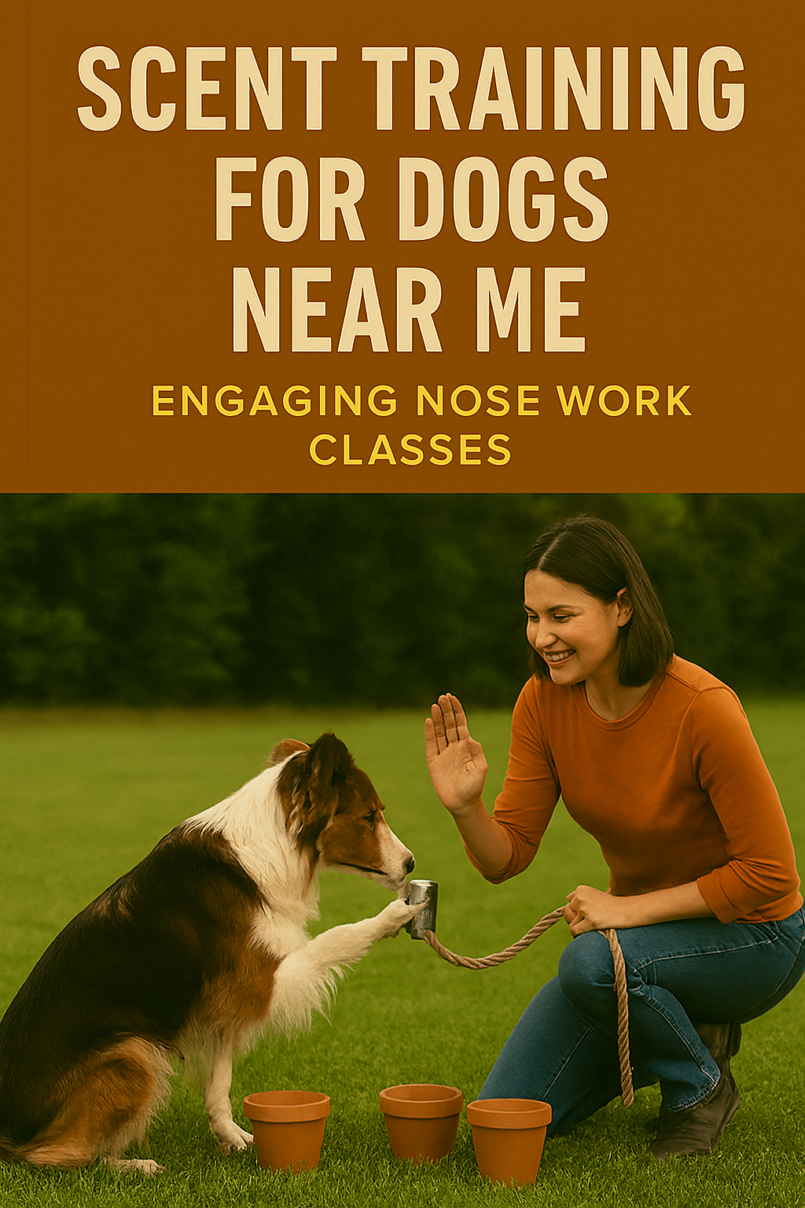
Daily 10-minute games reinforce classwork. Hide treats in 3 cups, progress to furniture gaps. Introduce birch on swabs in ventilated tins. Vary hides: elevated, burrowed.
Games like “which hand?” sharpen alerts. Track via journal: “Week 2: 90% birch accuracy.” Apps log trials.
Suitability Across Dogs and Ages
Puppies (4+ months) start food games; adults refresh rusty noses. Small breeds excel in tight spaces; hounds dominate distance. Reactive dogs crate-wait safely; seniors search slowly.
Any temperament works—trainers adapt. Multi-dog homes rotate turns.
Competition and Beyond
NACSW trials test ORT (odor recognition) then NW1-3 levels. Titles earn ribbons; fun matches build skills. Home applications: lost keys, medical alerts.
Graduates join clubs for lifelong scents.
Addressing Common Challenges
Over-arousal: shorten sessions, add settles. False alerts: withhold rewards, reshapes. Plateaus: switch environments.
Instructors troubleshoot; positives prevent frustration.
Scent classes unlock his potential—engaging nose work near you delivers joy, focus, and unbreakable teamwork. He hunts happily ever after.