Introduction
Puppy training classes offer a structured path from chaotic “baby dog” energy to a well‑mannered, confident companion. They start with essential manners and social skills, then gradually introduce more advanced exercises that challenge your pup’s brain and strengthen your bond. Whether you dream of a relaxed family pet or a future sport dog, classes give you coaching, accountability, and a safe environment to practise. With the right progression, your puppy can move from basic cues to impressive, real‑world reliability.
Foundations: What Puppies Learn First
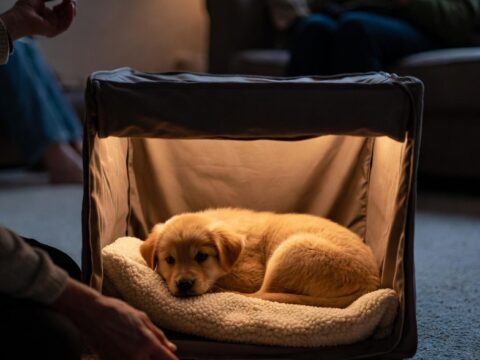
Early puppy classes focus on everyday skills that make living together easier. Typical first‑level topics include name recognition, coming when called, sit, down, and beginning leash manners. Puppies also learn to offer eye contact, respond to their handler amid distractions, and take treats gently. Many programs weave in early house‑training support, crate skills, and strategies for common issues like nipping and jumping. The goal at this stage isn’t perfection; it’s building clear communication and positive associations with learning.
Socialization and Confidence Building
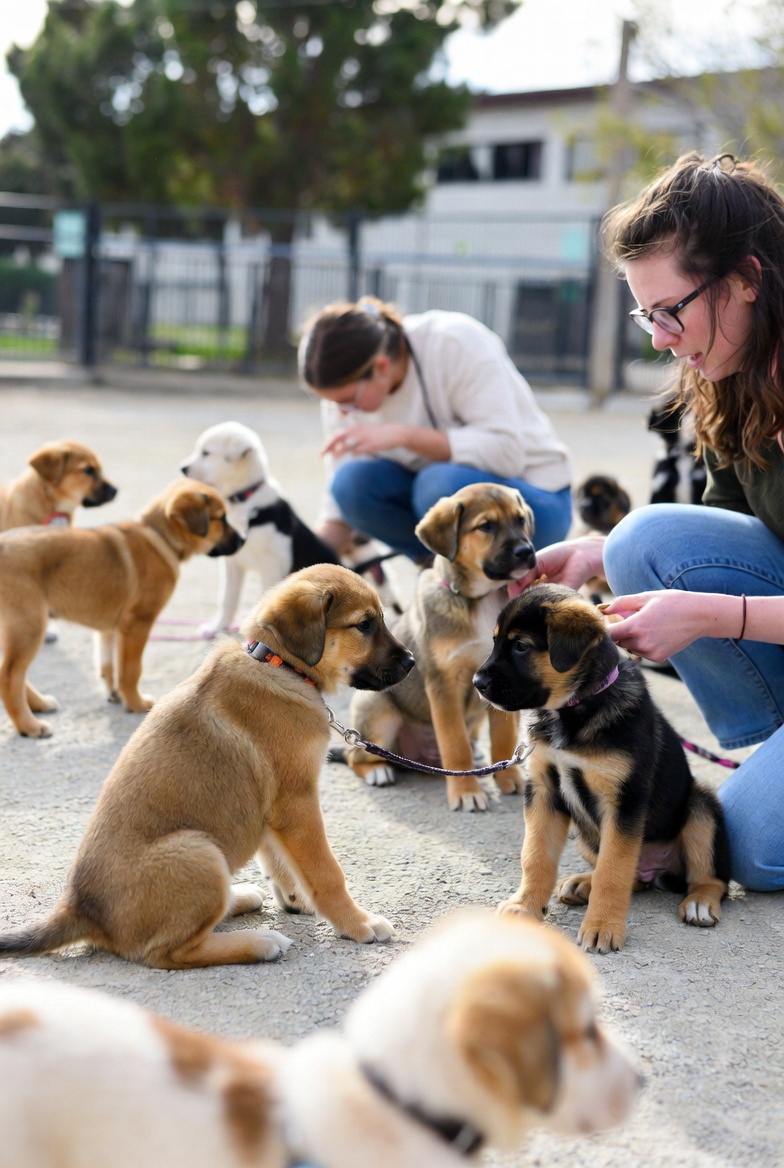
A good puppy class doubles as a socialization lab. Your pup meets new people, hears unfamiliar sounds, and works near other dogs without chaos. Short, supervised play or parallel work teaches them that other puppies are safe and that they can stay calm around canine friends. Controlled exposure to different surfaces, handling exercises, and mild “surprises” (like walking past a noisy object) builds resilience. This early confidence work reduces the risk of fear and reactivity as your dog matures.
Core Obedience Skills in Beginner Classes
Once your puppy is comfortable in class, instructors layer in more structured obedience. You’ll refine sit and down with added duration and teach your pup to respond on the first cue, not the fifth. Loose‑leash walking gets more focus: rewarding your puppy for staying by your side, turning with you, and ignoring typical distractions. Handlers also learn how to use markers (“yes” or a clicker), reward placement, and timing so communication becomes crisp. By the end of a solid beginner course, most puppies can perform basic cues in a quiet environment with growing reliability.
Intermediate Skills: Control Around Distractions
Intermediate classes bridge the gap between “my puppy knows it at home” and “my dog can do it anywhere.” Here, recalls are practised with bigger distractions, such as toys, people, or other dogs nearby. Stay and place (settling on a bed or mat) are extended in time and distance, helping your dog learn impulse control in real‑world scenarios. Leash work often includes heeling patterns, polite greetings without jumping, and calmly passing other dogs. Handlers start to use rewards more strategically, slowly shifting from constant treats to varied reinforcement while still keeping training fun.
Advanced Manners and Real‑World Skills
At the advanced level, classes focus on reliability in everyday life, not just in a training hall. Dogs practise long stays, walking politely through doorways, waiting in cars, and settling in public spaces like patios or parks. Off‑leash or long‑line recalls become stronger, with your dog returning even when something exciting is happening. Many programs introduce distractions that mimic real life: dropped food, passing joggers, or kids playing at a distance. The aim is a dog that can listen under pressure, not just when nothing else is going on.
Introducing Tricks and Fun Games
Trick training often becomes part of more advanced or specialty classes, and it’s more useful than it might seem. Tricks such as spin, paw, bow, or roll over teach your dog to enjoy problem‑solving and build body awareness. Nose‑targeting (touching a hand or object), backing up, or weaving through legs can later help with sports or therapy work. Games like hide‑and‑seek, “find it,” or recall races make training exciting and keep both dog and handler engaged. This play‑based approach prevents burnout and reinforces that working with you is rewarding.
Pathways to Dog Sports and Specialized Work
For owners who catch the training bug, puppy classes can be the gateway to dog sports. Many schools offer foundations for agility, rally, obedience trials, scent work, or cooperative care. These classes take skills like focus, body control, and impulse management to the next level. Even if you never compete, sport‑style training sharpens responsiveness and gives energetic dogs a healthy outlet. Some pups also move toward roles in therapy visits, service work, or advanced obedience, all of which start with the basics they learned as youngsters.
How to Get the Most from Class
Progress in class depends as much on your practice as the instructor’s curriculum. Short daily sessions at home—just a few minutes at a time—help solidify what your pup learned that week. Consistency between family members matters: everyone should use the same cues and reward the same behaviors. Bringing high‑value treats, arriving a bit early so your puppy can acclimate, and asking questions when you’re unsure all improve outcomes. Above all, keeping a patient, upbeat attitude turns training into a shared project rather than a chore.
When to Move Up a Level
You’ll know your puppy is ready for the next class when they can perform most current skills reliably in that classroom environment. That doesn’t mean perfection, but your dog should be able to refocus on you, recover from distractions, and offer known behaviors with moderate help. If they still struggle to settle, panic around other dogs, or ignore all cues when excited, it can be helpful to repeat a level or seek some one‑on‑one coaching. Moving at your dog’s pace—rather than rushing through levels—builds a stronger foundation for truly advanced skills. Over time, that thoughtful progression gives you what puppy training classes promise: a dog that is not only well‑trained, but also confident, connected, and a joy to live with.