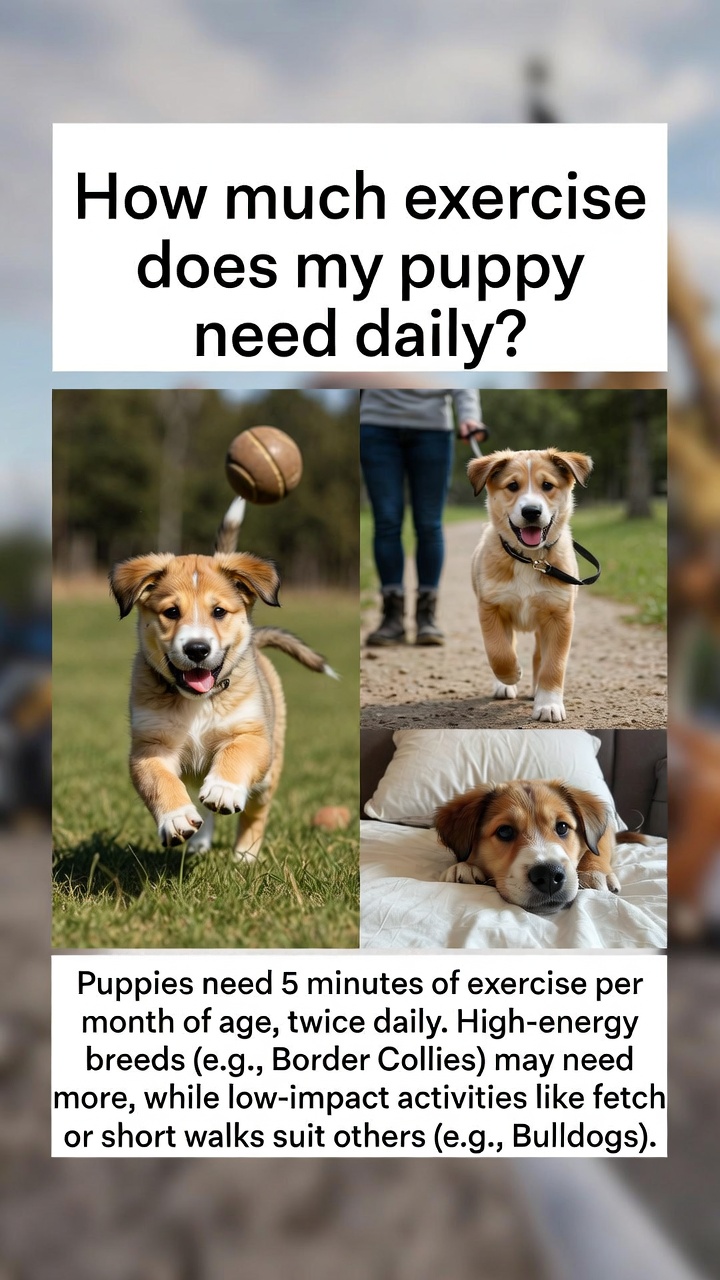
Figuring out how much exercise your puppy needs each day can be confusing, especially when you hear warnings about “over‑exercising” growing joints. The sweet spot is giving your puppy plenty of age‑appropriate movement without pushing them into long, repetitive or high‑impact workouts. A useful general guideline many trainers and vets use is around five minutes of structured exercise per month of age, once or twice a day, plus lots of gentle free play and rest. Always adjust based on your puppy’s breed, energy level, and how they recover afterward.
Exercise for puppies isn’t only about burning off energy; it’s also crucial for healthy physical development, socialization, and building confidence. Short walks, play sessions, and training games help strengthen muscles, support growing bones, and prevent behavioral issues caused by boredom. At the same time, puppies need plenty of naps and quiet time so their bodies can grow. If you focus on variety, short sessions, and letting your puppy set the pace, you’ll give them the right balance of movement and rest each day.
Age-Based Exercise Guidelines
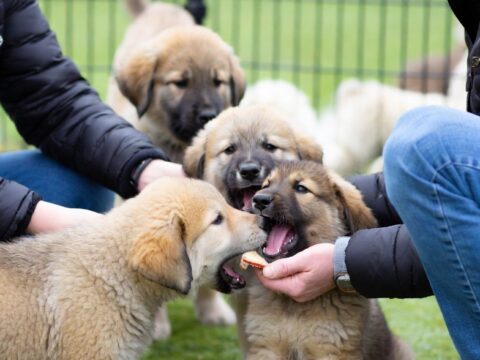
Very young puppies (around 8–12 weeks) should have most of their activity in the form of short, gentle play sessions indoors or in a safe yard. A few minutes of play, several times a day, is enough—think soft toy games, exploring, and tiny training moments. At this stage, long walks around the neighborhood are not necessary and can be exhausting for them. Focus more on safe exploration and positive experiences than on distance or duration.
From about 3–6 months, you can gradually introduce more structured walks and slightly longer play sessions. A common rule is roughly five minutes of walking per month of age, once or twice per day (for example, a 4‑month‑old puppy might do about 20 minutes per walk). Beyond that, your puppy will get additional exercise from free play, short training sessions, and sniffing around in safe spaces. After 6 months, many puppies can slowly work up to 30–45 minutes of walking a day (split into a couple of outings), but you should still avoid intense repetitive activities or running them until growth plates are more mature.
Types of Safe Puppy Exercise
The best exercise for puppies is slow, varied, and mostly self‑directed. Free play in a safe, fenced area lets your puppy run, stop, sniff, and rest whenever they want, which protects developing joints. Short, relaxed walks on grass or soft ground are also ideal because they build stamina without hard impact. During these outings, allow plenty of sniffing and exploring instead of marching quickly in a straight line the whole time.
Interactive games are another great way to exercise both body and brain. Gentle games of fetch, tug with rules (like “drop it”), and simple obstacle courses with low items to step around—not jump over—can be very effective. Always keep sessions short and fun, and stop before your puppy gets overtired. High‑impact games like intense ball chasing with launchers, long-distance running, or jumping off furniture should be avoided until your vet gives the all‑clear for more strenuous activities.
Breed and Size Considerations
Breed and size play a big role in how much and what kind of exercise is safe for your puppy. Working and herding breeds (like Border Collies, Australian Shepherds, and many retrievers) often have higher energy levels and will enjoy more frequent short sessions of activity and training. However, even these energetic breeds still have growing joints, so they shouldn’t be pushed into long runs or repetitive jumping while they’re young. Their extra energy is best channeled into mental work and controlled activities rather than simply adding more miles.
Large and giant breeds grow more slowly and are at higher risk of joint issues if they’re over‑exercised. They benefit from gentle, low‑impact movement rather than long runs, especially on hard surfaces. Small breeds may tolerate slightly more walking once mature but can tire quickly because of their shorter legs, so you should watch for signs of fatigue. For all puppies, it’s wise to ask your vet about breed‑specific considerations and how quickly you can progress to more strenuous exercise as they age.
Mental Exercise Counts Too
Physical exercise is only half the picture; mental exercise can be just as tiring and often safer for growing bodies. Short training sessions on basic cues (sit, down, come, leave it, stay) give your puppy a “job” and help build good manners. Puzzle feeders, snuffle mats, and simple scent games (like hiding a few treats around a room) encourage your puppy to think and use their nose. These activities are excellent for rainy days or when you need to keep physical activity lower.
Mental work is especially helpful for high‑energy puppies who seem to have endless stamina. Instead of just longer walks, break up their day with several 3–5 minute training bursts. Teaching tricks—spin, touch, shake, or going to a mat—also builds focus and reinforces your bond. A puppy who gets both mental and physical outlets is more likely to settle calmly at home and less likely to develop destructive habits from boredom.
Signs Your Puppy Is Getting the Right Amount
The best measure of “enough” exercise is how your puppy behaves during the day and how they recover after activity. A well‑exercised puppy will have bursts of playful energy and then settle for naps without constantly pestering you or getting into trouble. They should be keen to go for walks but not so exhausted afterward that they limp, lag behind, or seem sore. If your puppy sleeps well and wakes up bright and eager but not frantic, you’re probably close to the right balance.
On the other hand, if your puppy is wildly hyper, mouthy, or destructive despite lots of time outside, they may need more mental enrichment rather than simply longer walks. If they seem stiff, reluctant to move, or they plop down and refuse to continue, that’s a sign they’ve had too much. Watch how they act later in the day and the next morning; lingering soreness, limping, or reluctance to climb steps are clues to dial back and speak to your vet.
Common Mistakes to Avoid
One of the biggest mistakes owners make is treating puppies like small adult dogs—taking them on long runs, hikes, or bike rides before their bodies are ready. Another common issue is intense repetitive play, such as nonstop ball throwing, especially with launchers that create big jumps and abrupt stops. These activities can put unnecessary strain on developing joints and growth plates, even if the puppy appears to enjoy them. It’s safer to keep structured exercise shorter and let your puppy decide when to run or rest during free play.
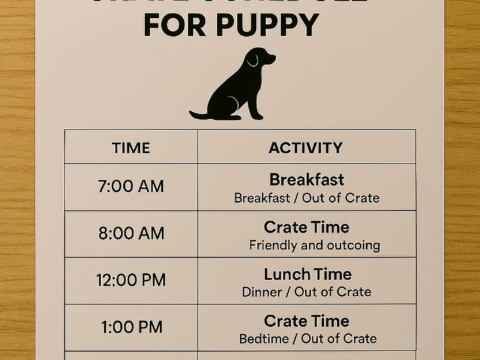
Other mistakes include skipping rest periods, assuming a “tired puppy is always a good puppy,” and using exercise to manage every behavior problem. An overtired puppy can become cranky, mouthy, and less able to learn. Balance is key: build a daily rhythm that includes short exercise sessions, mental work, calm bonding time, and lots of naps. If you’re ever unsure about what’s appropriate for your puppy’s age and breed, your veterinarian is the best person to guide you.
10 FAQs About Puppy Exercise
1. How many minutes a day should my puppy exercise?
A common rule of thumb is about five minutes of structured exercise per month of age, once or twice a day, plus free play and mental activities. For example, a 4‑month‑old puppy might handle around 20 minutes of walking twice a day, as long as they seem comfortable and recover quickly. This is a guideline, not a strict rule, so always adjust based on how your puppy responds.
2. Can I take my puppy for a long walk?
Long walks are not recommended for young puppies because their joints and growth plates are still developing. It’s much better to do shorter, age‑appropriate walks and give your puppy time to sniff and explore at their own pace. As they approach adulthood and your vet confirms they’re ready, you can gradually increase walk length.
3. When can my puppy start running with me?
Running next to you on a leash is generally not safe for puppies until they are closer to physical maturity, which can range from about 6–18 months depending on breed size. Before that, stick to walking and free play where your puppy can choose when to speed up or slow down. Always check with your vet before starting any running routine with a growing dog.
4. Is it possible to over-exercise a puppy?
Yes, puppies can be over‑exercised, especially with repetitive high‑impact activities like long runs, lots of jumping, or endless ball chasing. Signs include limping, stiffness, reluctance to move, or being unusually tired or cranky afterward. If you notice these, reduce the intensity and duration of exercise and talk to your vet if the signs don’t quickly resolve.
5. Does playtime in the yard count as exercise?
Absolutely—gentle playtime in a safe yard is one of the best forms of exercise for puppies. Free play lets your puppy control how fast they move, when they stop, and how much they do, which is much easier on developing bodies. Just supervise to keep them from rough play with bigger dogs or unsafe surfaces.
6. How much exercise does a large-breed puppy need?
Large‑breed puppies still need regular movement but are more vulnerable to joint problems if over‑exercised. Short, gentle walks on soft ground and controlled play sessions are usually best, combined with mental enrichment. Avoid stairs, long runs, and repetitive jumping until your vet is comfortable that growth plates are closing.
7. Should I exercise my puppy before or after meals?
It’s generally safer to wait a while after feeding before doing more intense activity, especially for deep‑chested breeds where bloat is a concern. Light play is usually fine, but avoid heavy running or rough play right before or immediately after big meals. Spacing meals and major exercise sessions apart can reduce stomach upset and help digestion.
8. What if my puppy seems to have endless energy?
High‑energy puppies often need more mental workout rather than just longer walks. Add several short training sessions, puzzle toys, sniff games, and structured play into the day. Make sure they’re also getting enough sleep—many young puppies need 16–20 hours of rest in 24 hours, and overtired puppies can act hyper.
9. Can I take my puppy to the dog park for exercise?
Dog parks are usually not ideal for very young puppies because of disease risk, rough play, and overwhelming experiences. It’s safer to wait until your puppy is fully vaccinated and has good recall and social skills. In the meantime, arrange controlled playdates with friendly, adult dogs you know, or use quieter spaces where you can manage interactions.
10. How do I know when to increase my puppy’s exercise?
Increase exercise gradually and watch your puppy’s behavior and body language. If they finish a session still energetic, recover quickly, and show no soreness or reluctance the next day, it may be safe to add a few more minutes or an extra short walk. If they seem stiff, overly tired, or reluctant, step back to an easier level and consult your vet if you’re concerned.
Final Thoughts
There is no single perfect number of minutes that fits every puppy, but a mix of short, age‑appropriate walks, free play, mental challenges, and plenty of rest works well for most. Let your puppy’s behavior and comfort guide you, increase things slowly, and check in with your veterinarian for breed‑specific advice. With that approach, you’ll support healthy growth and raise a puppy who loves moving and exploring with you for years to come.