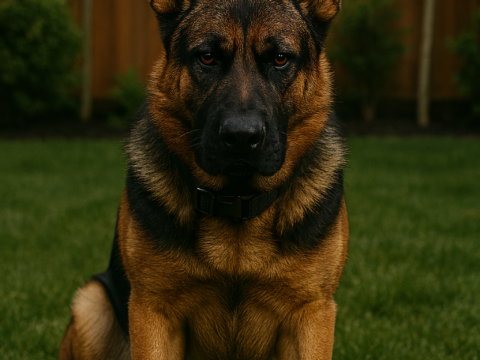

Choosing the right dog breed or size starts with matching your daily routine, living space, and family dynamics to a dog’s energy, size, and temperament needs. No breed is perfect for everyone, but evaluating your lifestyle honestly helps avoid mismatches that lead to stress or rehoming.
Assess Your Living Space
Small apartments or homes without yards favor compact breeds under 25 pounds, like French Bulldogs or Shih Tzus, that adapt well to limited space. Larger homes with yards can handle medium to large dogs like Labradors, but even big spaces need commitment to daily exercise.
High-rises or shared walls call for quieter, low-barking breeds to respect neighbors.
Evaluate Your Activity Level
Active owners who run, hike, or spend hours outdoors suit high-energy breeds like Border Collies or Australian Shepherds that thrive on 1-2 hours of vigorous exercise daily. Sedentary lifestyles pair better with low-energy companions like Bulldogs or Greyhounds, content with short walks and couch time.
Puppies demand extra play and training time, while seniors prefer calmer routines.
Family and Household Factors
Homes with young children benefit from patient, sturdy breeds like Golden Retrievers or Boxers that tolerate rough play. Singles or couples might enjoy independent types like Basenjis, while allergy sufferers need hypoallergenic options like Poodles or Bichon Frises.
Multi-pet homes require sociable breeds that get along with cats or other dogs.
Time and Experience Considerations
First-time owners should start with forgiving, easy-to-train breeds like Labrador Retrievers. Busy professionals fit independent, low-maintenance types like Whippets. Grooming-heavy breeds like Afghan Hounds add weekly brushing time.
Health and Long-Term Costs
Breeds with genetic issues, like hip dysplasia in German Shepherds, mean higher vet bills. Mixed breeds often enjoy hybrid vigor and fewer hereditary problems. Research lifespans—smaller dogs live longer (12-15 years), while giants average 7-10.
10 Frequently Asked Questions About Choosing a Dog Breed or Size
1. What breeds work best for apartment living?
Compact, quiet breeds like French Bulldogs, Cavalier King Charles Spaniels, Pugs, Shih Tzus, and Greyhounds adapt well despite their surprising calm nature. They need moderate exercise via walks, not yards, and bark less to avoid neighbor complaints. [thehealthypethouse](https://thehealthypethouse.com/blog/best-dog-breeds-for-apartment-living)
2. Can large dogs live happily in small spaces?
Yes, low-energy giants like Greyhounds, Great Danes, or Mastiffs lounge most of the day after short outings, surprising many with their “couch potato” vibe. They suit experienced owners with enough indoor room for their size.
3. Which dogs fit busy professionals?
Independent, adaptable breeds like Whippets, Basenjis, or Boston Terriers handle alone time with crate training and puzzle toys, needing one solid walk daily. Avoid high-needs herders that demand constant engagement.
4. What about families with kids?
Patient, playful breeds like Labradors, Goldens, Boxers, or Beagles tolerate noise and movement well, but supervise all interactions and teach gentle play. Avoid tiny toys that can get injured accidentally.
5. Are hypoallergenic breeds truly allergy-proof?
No dog is 100% hypoallergenic, but low-shedders like Poodles, Bichons, Maltese, or Schnauzers produce fewer allergens and suit mild allergies with grooming. Test exposure first and maintain frequent baths.
6. Which size needs least exercise?
Small to medium low-energy breeds like Bulldogs, Pugs, Shih Tzus, or Basset Hounds thrive on 20-30 minute walks plus indoor play, perfect for relaxed owners. All dogs still need mental stimulation via toys or training.
7. Best for first-time owners?
Forgiving, eager-to-please breeds like Labs, Goldens, or mixed mutts from shelters offer moderate energy and trainability without extremes. Start small if space-limited, and commit to positive reinforcement classes.
8. Do working breeds like shepherds fit casual homes?
High-drive herders like Border Collies or Australian Shepherds need jobs—agility, herding trials, or 2+ hours of runs—to avoid destructive boredom. They overwhelm sedentary or novice owners in small spaces.
9. How does age affect breed choice?
Active young adults suit energetic pups like Terriers; seniors prefer calm adults like Greyhounds or adopting rescues over bouncy puppies. Consider fostering first to test long-term fit.
10. Should I prioritize purebreds or mixes?
Mixed breeds blend traits for hybrid health, lower costs, and shelter availability, often matching lifestyles better than trendy purebreds. Research parent breeds for energy clues, and meet dogs personally—temperament trumps pedigree.