Choosing the best family protection dog means finding a companion who can guard your home without sacrificing warmth, patience, and affection. A truly suitable dog for family protection is not just courageous and alert, but also stable, trainable, and gentle with children. This balance is crucial, because a dog that is overly aggressive or anxious can pose risks at home, while a dog that is too soft may not deter intruders. In this article, we will explore several breeds known for combining natural guarding instincts with a loving, family‑friendly temperament. We will also touch on training, socialization, and lifestyle factors so you can decide which breed fits your family best.
What Makes a Good Family Protection Dog?
Before looking at breeds, it helps to understand the qualities that define a good family protection dog. Ideally, you want a dog with strong nerves, meaning it doesn’t react impulsively to every sound or movement and can think clearly under pressure. These dogs should be confident rather than fearful, showing controlled suspicion toward strangers but not lunging or biting without cause. High trainability is also essential; protection work and obedience require a dog that enjoys learning and responds well to consistent instruction. Finally, a good family guardian must be affectionate and people‑oriented, forming strong bonds with household members and showing patience with children when properly supervised.
German Shepherd: The Classic Family Guardian
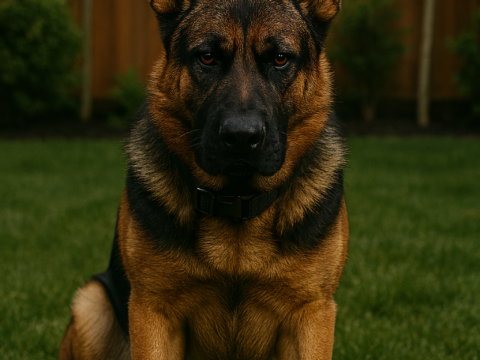
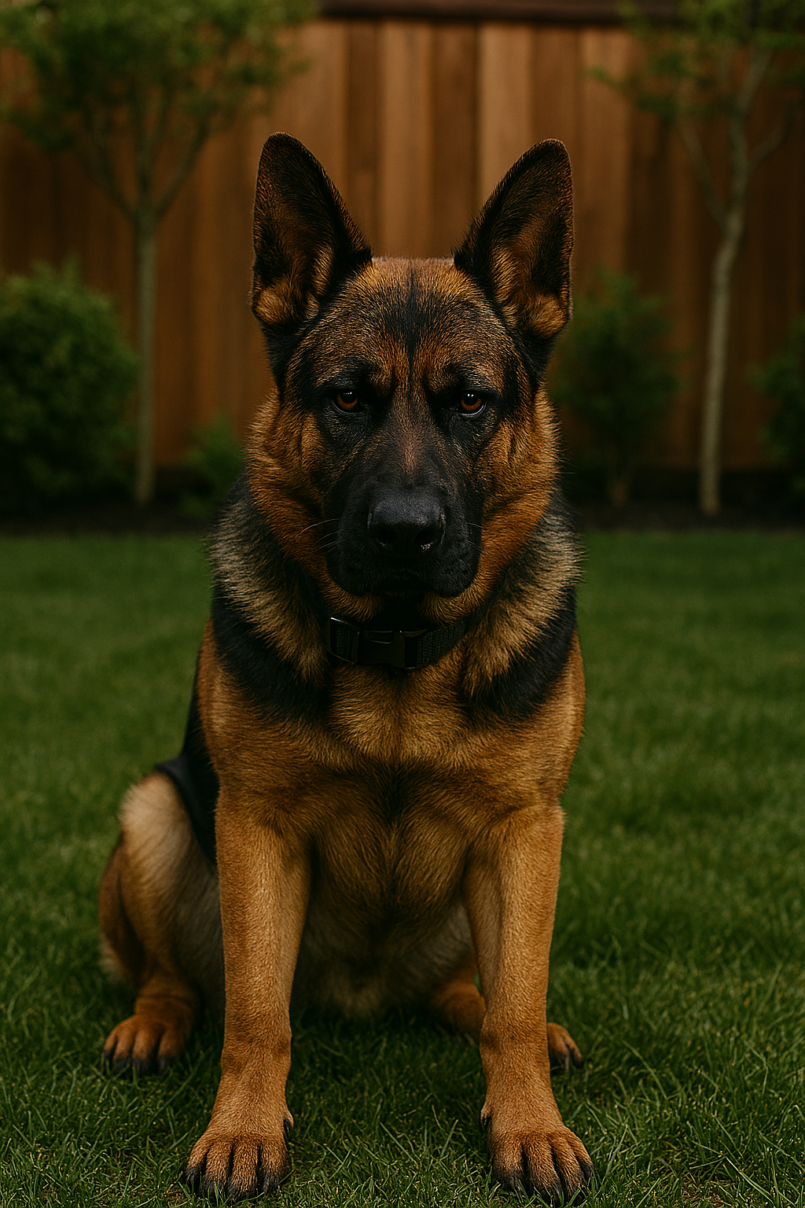
The German Shepherd is one of the most popular choices for family protection, and for good reason. Bred for intelligence and versatility, German Shepherds excel in police and military work, search and rescue, and as service dogs, which speaks volumes about their trainability and reliability. In the home, a well‑bred and well‑trained German Shepherd is loyal, affectionate, and eager to please, usually forming a particularly close bond with one or two family members while still caring for the whole household. Their natural protectiveness means they will typically alert you to strangers approaching and place themselves between their family and perceived threats. For families willing to commit to regular exercise, mental stimulation, and obedience training, a German Shepherd can be a balanced combination of devoted family dog and serious protector.
Rottweiler: Calm Strength and Deep Loyalty
Rottweilers are known for their imposing appearance and powerful build, but experienced owners value them just as much for their calm, steady nature. A well‑socialized Rottweiler tends to be confident and self‑assured, not easily rattled by new situations or noises. They are typically very loyal and affectionate with their families, often leaning on their owners or following them from room to room as quiet “shadows.” This breed has a strong natural guarding instinct and will usually stand their ground if they perceive danger, relying more on presence and posture than unnecessary aggression. Because of their size and strength, Rottweilers require consistent training, early socialization, and clear rules, but with responsible handling they can be loving family companions who are gentle with children and formidable protectors when needed.
Doberman Pinscher: Elegant, Alert, and Devoted
The Doberman Pinscher combines sleeker athleticism with sharp intelligence, making it another top contender for family protection. Known for their alertness and speed, Dobermans are quick to notice unusual activity and respond rapidly if they sense a threat. They are often described as “velcro dogs” because they like to stay close to their people, thriving on interaction and companionship. When raised with positive experiences, they can be affectionate and playful with family members, including older children who understand how to treat a dog respectfully. Their short coat makes them easier to groom and more suitable for warmer climates, though they still need plenty of physical activity and mental engagement. For active families who enjoy training and want a dog that combines elegance with a serious protective instinct, the Doberman can be an excellent choice.
Boxer: Playful Family Dog with Guarding Instincts
Boxers are often associated with clownish, playful behavior, but underneath that fun‑loving exterior is a capable and loyal guardian. This breed tends to be very people‑oriented and energetic, making them great companions for families with children who enjoy an active dog. Boxers are naturally watchful and will usually bark to alert you to unfamiliar people or strange sounds, providing a basic level of protection and deterrence. While they may not be as intense in formal protection work as some other breeds, their combination of strength, courage, and affection suits families looking for a dog that is more family pet than “working tool,” but still willing to step up when needed. Proper exercise, socialization, and training help ensure that a Boxer’s energy stays channeled into positive interactions and reliable guarding behavior.
Staffordshire Bull Terrier and American Staffordshire Terrier
Despite stereotypes, Staffordshire Bull Terriers and American Staffordshire Terriers can be deeply affectionate, people‑loving dogs with strong family bonds. They are often especially fond of children when raised in a respectful environment, which is why the Staffordshire Bull Terrier has historically been nicknamed the “nanny dog” in some places. These breeds are muscular and strong, providing a physical deterrent to intruders, and many will naturally act protectively toward their home and family. However, they also crave human interaction and thrive on being part of daily family life, cuddling on the couch as readily as patrolling the yard. Responsible ownership is crucial: early socialization, clear boundaries, and adherence to local laws and insurance requirements are all necessary. For families who are experienced with dogs and committed to training, these breeds can provide a blend of loyalty, affection, and protective presence.
Belgian Malinois: High‑Drive Protection for Experienced Homes
The Belgian Malinois has become famous in recent years due to its frequent use in military and police work. This breed is highly intelligent, driven, and athletic, often excelling in advanced protection sports, detection work, and high‑intensity activities. While their protective abilities are exceptional, they are generally best suited for very active, experienced owners who can provide significant time for daily training and exercise. Without enough physical and mental outlets, a Malinois can become restless, anxious, or destructive, which does not suit a typical busy household. In the right home—one that understands working dogs and enjoys structured training—a Malinois can be a loyal, affectionate family dog and a world‑class protector. However, for many families, a slightly lower‑drive breed may be a more practical and sustainable choice.
Training and Socialization: The Real Key to Protection
No matter which breed you choose, training and socialization matter more than genetics alone. Even the best‑bred protection dog can develop problem behaviors if it grows up without clear rules, positive exposure to different people and environments, and consistent guidance. Start with basic obedience—sit, down, stay, recall, leash manners—and make sure your dog can follow these commands reliably, even with distractions. Controlled socialization teaches your dog the difference between normal situations and real threats, preventing overreaction to harmless visitors like delivery drivers or your children’s friends. If you want more advanced protection work, it is wise to seek out a reputable professional trainer who specializes in balanced, humane methods; improper “guard dog” training can easily create a dog that is unsafe and overconfident around people.
Matching the Breed to Your Family’s Lifestyle
Choosing a family protection dog is ultimately about finding a good match for your lifestyle, not just picking the most intimidating breed. Consider your family’s activity level, how much time you can dedicate to training, and the ages and personalities of your children. A high‑energy working dog might be perfect for an outdoorsy family who loves hiking and training, but overwhelming for a household with long work hours and little spare time. Also think about practical factors such as grooming needs, potential breed restrictions in your area, and your experience level with dogs in general. When you choose a breed whose temperament and needs align with your daily life, you greatly increase the chances of raising a dog that is both a loving family member and a reliable, balanced protector.
Conclusion
The best family protection dogs blend courage with a steady mind and a loving heart, standing between your family and danger while still being safe and affectionate in everyday life. German Shepherds, Rottweilers, Dobermans, Boxers, certain bully breeds, and Belgian Malinois are all strong candidates, each with its own mix of energy levels, training needs, and temperament. Rather than focusing only on toughness or appearance, prioritize stable temperament, proven trainability, and compatibility with your family’s routine. With careful breed selection, early socialization, and ongoing training, you can enjoy the peace of mind that comes from having a devoted companion who both guards your home and shares your sofa.