Introduction
Adopting a rescue dog is one of the most rewarding ways to add a new member to your family. You’re not only gaining a loyal companion, but also giving a second chance to an animal that truly needs it. To make the experience smooth and positive for both you and the dog, it helps to understand each step before you begin. With preparation, patience, and realistic expectations, you can turn a rescue into a happy, lasting home.
Decide If You’re Ready for a Dog
Before you fall in love with a pair of hopeful eyes in a photo, take an honest look at your lifestyle. Dogs need daily exercise, mental stimulation, training, and regular veterinary care, all of which cost time and money. Think about your schedule, travel habits, and living situation: can you be home enough for bathroom breaks, walks, and companionship, or will you need help from dog walkers or daycare? Consider everyone in the household and discuss expectations about responsibilities, rules (for example, couch or no couch), and long‑term commitment, because adopting a dog means planning for 10–15 years or more of care. If you’re confident you can meet those needs, you’re ready to move forward.
Clarify the Type of Dog You Want
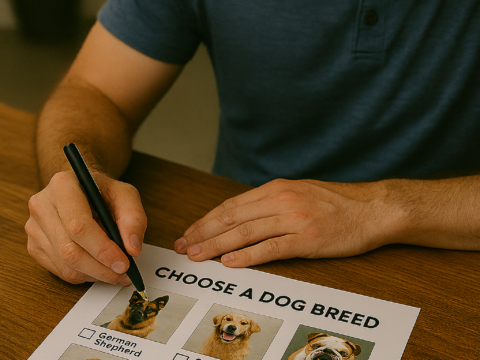
The next step is to define what kind of dog will fit your life instead of choosing solely based on looks. Consider size first: larger dogs may need more space and stronger handlers, while small dogs might be more delicate around young children. Think about energy level and temperament; a high‑energy herding breed might be perfect for a runner, but overwhelming for someone who prefers quiet evenings. Also factor in grooming requirements, allergies in the household, and any local breed restrictions or housing rules. Being clear on your must‑haves and deal‑breakers will help you stay focused when your emotions pull you toward every cute face you see.
Research Shelters and Rescue Organizations
Not all rescues are the same, so spend time looking into reputable shelters and organizations. A good group is transparent about their adoption process, provides medical records, and is honest about each dog’s behavior and needs. Many rescues specialize—such as breed‑specific groups, senior dog rescues, or organizations focused on certain sizes—so you can target places that match your interests. Read reviews, ask local veterinarians for recommendations, and check how the group cares for dogs, screens adopters, and handles returns if things don’t work out. Choosing a responsible rescue increases the chances of finding a dog whose history is understood and whose health and behavior have been evaluated.
Prepare Your Home and Supplies
Before your new dog steps through the door, set up your home so it’s safe and welcoming. Dog‑proof areas where the dog will spend time by moving electrical cords, securing trash cans, and putting away anything small or fragile that could be chewed or swallowed. Gather basic supplies: a properly sized crate or bed, food and water bowls, high‑quality dog food, a collar with ID tags, a sturdy leash, poop bags, and a few safe chew toys. Decide where the dog will sleep, where feeding will happen, and which areas are off‑limits, using baby gates if needed. Having everything in place reduces stress on adoption day and helps your dog settle more quickly.
Submit Applications and Meet Potential Dogs
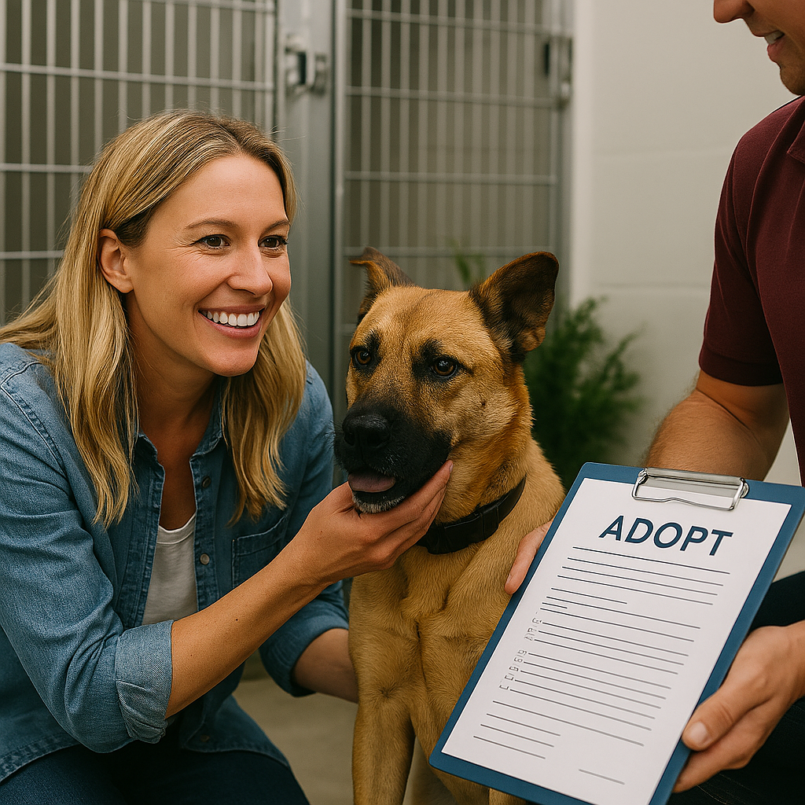
Once you’ve chosen a few organizations, you’ll typically fill out an application explaining your experience, lifestyle, home environment, and what you are looking for in a dog. Answer honestly; these questions are meant to match you with a suitable companion, not to judge you. After approval, schedule meet‑and‑greets with dogs that fit your criteria, and bring all household members, including other dogs if the rescue allows it. During these meetings, observe the dog’s body language and how they respond to you: are they curious, cautious, eager to interact, or overwhelmed? Take notes afterward so you can compare dogs with a clear head instead of making decisions purely in the moment.
Ask the Right Questions
When you find a dog you’re interested in, ask the rescue for as much information as possible. Important details include the dog’s age, medical history, vaccination and spay/neuter status, and any known allergies or chronic conditions. Ask about behavior: how does the dog handle strangers, children, other dogs, and cats, and have there been any signs of resource guarding, separation anxiety, or fearfulness? Learn what the dog’s daily routine has been like in foster care or the shelter, including feeding schedule, house‑training progress, and crate use, so you can replicate familiar patterns at home. The more you know upfront, the better you can prepare and avoid surprises later.
Finalize the Adoption and Transport Home
Once you decide to move forward, you’ll typically sign an adoption contract and pay a fee that helps cover the dog’s care and medical expenses. Review the contract carefully, paying attention to clauses about medical follow‑ups, microchip registration, and what happens if you can no longer keep the dog. When it’s time to bring your dog home, transport them safely: use a secure crate or a properly fitted harness and seat belt in the car. Keep the trip calm and quiet, avoiding extra stops or introductions along the way so the dog can focus on this big transition. Have someone else drive if possible, allowing you to sit nearby and provide reassurance without overwhelming the dog with attention.
Help Your Dog Adjust: The First Days and Weeks
Your rescue dog may feel confused, stressed, or shut down at first, even if they seemed outgoing at the shelter or foster home. Keep the environment calm for the first few days: limit visitors, maintain a predictable routine, and allow the dog to explore at their own pace while supervising closely. Introduce family members slowly and teach children to give the dog space, avoid hugging, and interact gently, especially around food and toys. Expect accidents or minor behavioral hiccups as the dog learns the rules of your home; respond with patience and structure instead of punishment. Many adopters find the “3‑3‑3 rule” helpful: roughly three days to decompress, three weeks to understand routines, and three months to really settle in, though every dog is different.
Establish Training, Routine, and Veterinary Care
From the beginning, build good habits with clear routines and positive training. Set regular times for meals, walks, play, and rest, which helps your dog feel secure and speeds up house‑training. Use reward‑based methods—treats, praise, toys—to teach basic cues like sit, stay, come, and leave it, and enroll in a group class if you’d like guidance and socialization opportunities. Schedule a veterinary exam soon after adoption to establish care, verify vaccinations, discuss parasite prevention, and plan any needed procedures or diet changes. Investing in training and health early on can prevent small issues from turning into big problems later.
Be Patient and Commit for the Long Term
The most important ingredient in bringing home a rescue dog is patience. Some dogs settle in quickly, while others need months to fully trust and relax, especially if they have experienced trauma or multiple homes. There may be setbacks—chewed furniture, barking, or nervous behavior—but consistent routines, gentle leadership, and professional help when needed can guide your dog through these challenges. Remember that adoption is not about finding a “perfect” dog; it’s about building a relationship over time, learning each other’s quirks and needs. With compassion and commitment, you’ll watch your rescue transform from a cautious newcomer into a cherished member of your family.