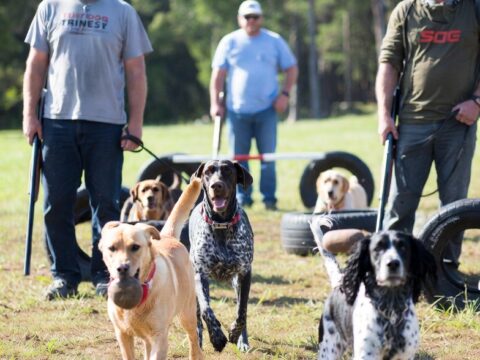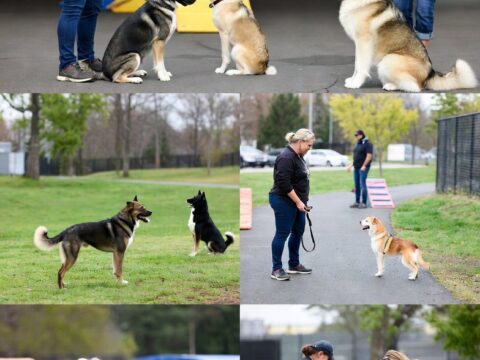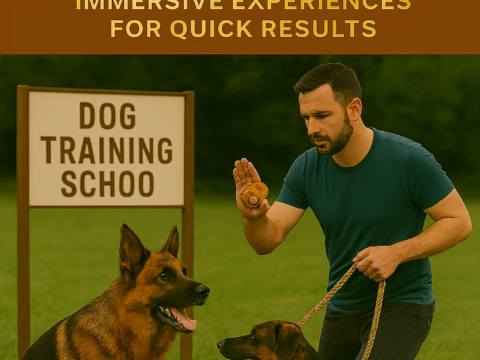
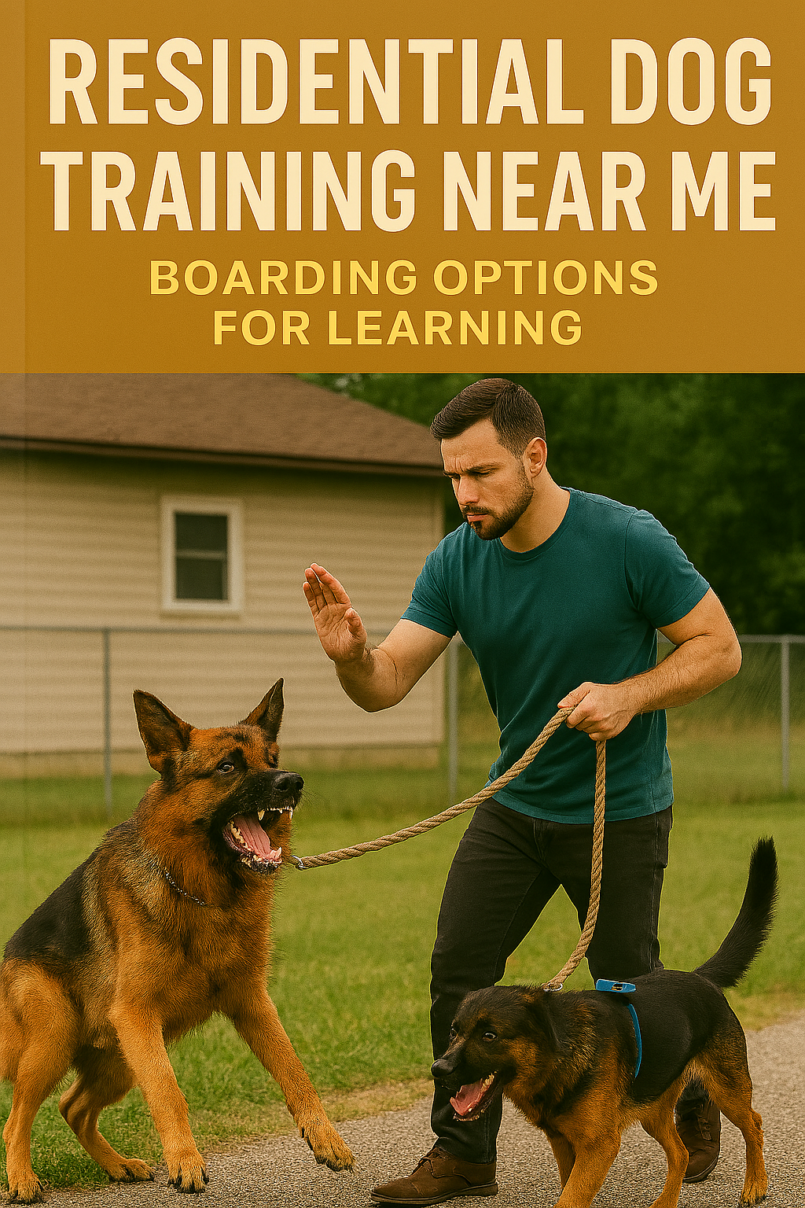
Residential dog training, often called board-and-train programs, offers a structured immersion where your dog lives at a professional facility while learning obedience and behavior skills. These programs suit busy owners lacking time for daily sessions or facing challenging issues like aggression or severe pulling. Dogs receive intensive, one-on-one training in a distraction-free environment, returning home transformed with new habits you’ll learn to maintain.
Benefits of Residential Training Programs
Board-and-train accelerates progress through full-day immersion, far surpassing weekly lessons. Professional trainers use consistent methods, eliminating mixed signals from family members. Programs often include socialization with compatible dogs, exercise, and mental stimulation, addressing root causes like boredom or anxiety. Owners receive video updates, progress reports, and handoff lessons, ensuring skills transfer home. Results appear in weeks, not months, for issues like recall or loose-leash walking.
How Board-and-Train Programs Work
Your dog stays 1-4 weeks (or longer for advanced needs) in spacious suites or home-like settings with 24/7 supervision. Daily schedules blend 1-2 hours of focused training—using positive reinforcement like treats and praise—with playgroups, potty breaks, and rest. Trainers target your goals: basic commands (sit, stay, come), behavior fixes (jumping, barking), or specialized skills (service dog tasks). Evening tuck-ins and gourmet treats maintain comfort. Weekly owner check-ins via photos/videos keep you involved.
Choosing the Right Local Facility
Search “residential dog training near me” to find vetted options like Henderson Pet Resort or Club K9 in Las Vegas areas, offering Lodge-n-Learn packages from 1-4 weeks. Prioritize certified trainers using force-free methods—avoid shock collars or dominance techniques, which risk fear-based setbacks. Visit facilities: check cleanliness, dog happiness (wagging tails, relaxed postures), trainer-to-dog ratios, and vaccination protocols. Read Yelp reviews for real experiences on consistency and results. Match program length to needs—short stays for basics, longer for reactivity.
Popular Program Types Available
**Puppy Foundations (1-2 weeks):** Builds potty training, crate habits, and early socialization for pups under 6 months. Includes bite inhibition and name response.
**Basic Obedience (2 weeks):** Covers heel, sit, down, stay, come, and leave-it. Ideal for polite family pets.
**Behavior Modification (3-4+ weeks):** Tackles aggression, separation anxiety, or resource guarding with desensitization and counter-conditioning.
**Advanced/Off-Leash (4 weeks):** Perfect recall anywhere, even with distractions. Some add agility or therapy prep.
Many Las Vegas spots like American Canine Training or Suburban K9 offer pick-up/drop-off and in-home follow-ups.
Costs and What to Expect Financially
Prices range $100-300 daily, totaling $1,000-8,000 by program length—higher for luxury suites or private sessions. Henderson Pet Resort’s 1-week Lodge-n-Learn includes training, play, and owner lessons around $2,000. Factor add-ons: chauffeur service, spa treatments, or extended stays. Cheaper than months of private lessons, with guaranteed results. Ask about packages, referrals, or trials. Payment plans help; value lies in lifelong skills reducing future issues.
Preparing Your Dog for Boarding School
Ease anxiety with pre-boarding steps. Update vaccines, flea/tick preventives, and get vet clearance. Practice crate training and alone time at home. Provide detailed history: triggers, likes/dislikes, medical notes. Pack familiar bed, toys, food, and unwashed clothing for scent comfort. Schedule a meet-and-greet to assess fit. Start with shorter day programs like Play-n-Learn if full immersion worries you.
Daily Life During Residential Training
Dogs follow enriching routines: morning potty/play, skill-building sessions, supervised group romps for socialization, afternoon naps, evening reviews. Trainers log achievements, noting breakthroughs like ignoring distractions. Nightly routines include belly rubs and quiet time. Facilities like Club K9 emphasize climate-controlled, cage-free luxury with matched playmates. Progress builds exponentially as habits solidify without home interruptions.
Transitioning Skills Back Home
The real work begins at pickup. Expect a 1-2 hour private lesson teaching cues, timing, and troubleshooting. Practice daily first week—short, frequent sessions reinforce consistency. Use same rewards; fade treats gradually. Family training ensures everyone follows rules. If regression hits (common initially), request boosters. Long-term success demands ongoing practice, like daily walks or impulse games.
Success Stories and Real Results
Owners rave about transformations: reactive pullers becoming calm heelers, fearful pups greeting guests happily. Las Vegas’ Suburban K9 tailors boot camps for Summerlin families, with clients noting off-leash reliability post-program. A Club K9 graduate went from nipping visitors to champion obedience. Track record matters—choose facilities boasting Canine Good Citizen passers or service dog placements.
When Residential Training Isn’t Ideal
Not for every dog: severe medical cases need vet oversight; strong bonds may cause separation distress initially. Puppies under 12 weeks risk disease in group settings. If budget constrains or issues stem from owner inconsistency, opt for in-home privates first. Trial day training assesses readiness.
Finding Top Options in Your Area
Las Vegas boasts gems like The Dog Wizard in Summerlin (obedience + boarding), Taggs K9 for family focus, or Sit Means Sit for busy pros. Yelp’s top lists highlight Henderson Pet Resort for structured Lodge-n-Learn. Book tours, compare philosophies, and prioritize positive reinforcement. Your pooch deserves expert care—residential training delivers results when home efforts stall, paving the way for harmonious living.