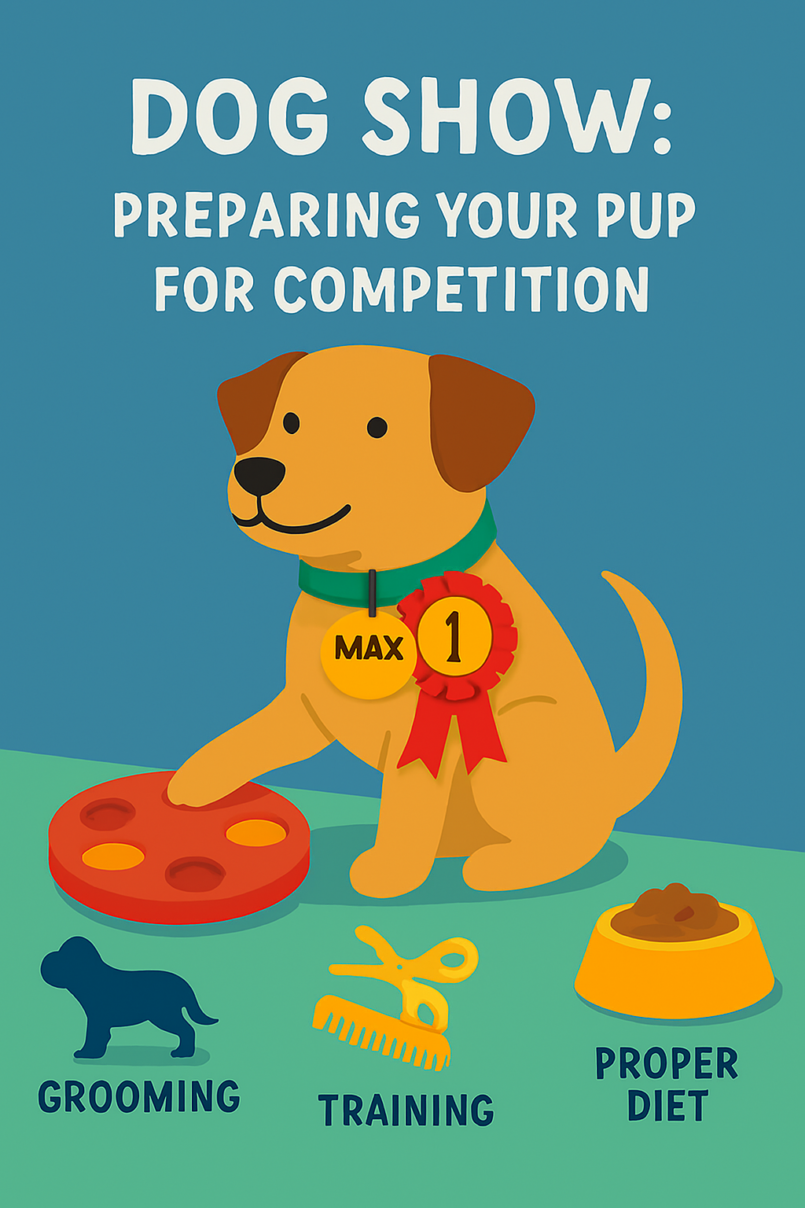
Dog shows offer a fun, challenging way to showcase your dog’s conformation, temperament, and training. Whether you’re aiming for the big ring or just want to try your first local match, preparing your pup for competition takes time, consistency, and the right mindset. With proper grooming, conditioning, and practice, even first‑time handlers can enjoy a positive experience in the show ring.
Understanding Dog Shows
Dog shows are judged based on how well a dog fits the official breed standard, as well as their movement, temperament, and overall presentation. Conformation shows are the most common type, where dogs are shown “on the table” and then moved around the ring to demonstrate gait and structure. Other events include obedience, agility, rally, and junior showmanship, which focus more on training and teamwork.
Before entering, decide which type of show suits your dog’s strengths and your own interests. Conformation requires a dog that closely matches the breed standard, while obedience and agility emphasize training, focus, and athleticism. Many owners start with local matches or fun‑sized events to build confidence before moving to larger shows.
Basic Training for the Show Ring
Dogs in the show ring must be calm, attentive, and responsive to their handler. Start with basic obedience: sit, down, stay, heel, and come are essential. Practice these commands in distracting environments such as parks or busy sidewalks so your dog learns to focus despite noise and movement.
For conformation, practice “stacking” your dog so they stand squarely and naturally on the table and on the ground. Use treats and gentle guidance to position their feet correctly, and reward stillness. Practice walking your dog in a circle or straight line at a controlled pace, simulating how you will move in the ring.
Grooming and Presentation
Proper grooming is a major part of show preparation. Brush your dog regularly to keep their coat clean, tangle‑free, and in good condition. Bathe and dry them a few days before the show so their coat has time to settle. Trim nails, clean ears, and brush teeth to present a polished, healthy appearance.
Some breeds require specific grooming styles, such as hand‑stripping, clipping, or scissoring. If you are not experienced, consider working with a professional groomer who understands show standards. Bring grooming supplies to the show in case last‑minute touch‑ups are needed.
Conditioning and Health
A healthy, fit dog performs better in the ring. Provide regular exercise appropriate to your dog’s age and breed, such as walks, play sessions, or structured training. Avoid overexertion close to show day so your dog arrives fresh and alert.
Ensure your dog is up to date on vaccinations, parasite prevention, and any health checks required by the show. Bring a crate, water bowl, and familiar bedding to keep your dog comfortable and rested between classes. Watch for signs of stress or illness and be prepared to withdraw if your dog is not feeling well.
10 Frequently Asked Questions (FAQs)
1. Do I need a purebred dog to enter a dog show?
Most conformation shows require AKC‑registered purebred dogs, but many organizations also host events for mixed‑breed or rescue dogs, such as “All American” or fun‑sized shows. Check the specific rules of the event you want to attend.
2. How old does my dog need to be to compete?
Most conformation shows allow dogs to compete once they are at least six months old, though some classes have age limits. Obedience and agility events often have junior or beginner levels for younger dogs.
3. Do I need professional training to enter a show?
No—many owners train their own dogs successfully. However, working with a trainer or attending handling classes can speed up learning and help you understand ring procedure and breed‑specific expectations.
4. What should my dog wear in the show ring?
Dogs typically wear a simple, flat collar or martingale with a standard leash. Avoid flashy accessories or retractable leashes. Some handlers use show leads or slip leads for better control.
5. How do I practice stacking and gaiting at home?
Use treats and gentle guidance to position your dog’s feet correctly on the ground or a low table. Practice short “stacks” and reward stillness. For gaiting, walk your dog in a circle or straight line at a steady pace, rewarding smooth, balanced movement.
6. What should I bring to a dog show?
Bring your dog’s crate, food and water, grooming supplies, a leash, collar, and any required paperwork or registration information. Pack treats, a towel, and a familiar toy or blanket to keep your dog calm.
7. How do I handle my dog in the ring?
Walk confidently and keep your dog close to your side. Use a smooth, controlled gait and maintain a calm demeanor. Follow the judge’s instructions and avoid excessive handling or distracting your dog.
8. Can my child handle the dog in a show?
Yes—junior showmanship classes are designed for young handlers. Children must demonstrate proper handling skills and knowledge of breed standards. Parental supervision and guidance are important.
9. What if my dog is nervous or reactive in the ring?
Practice in busy environments and use positive reinforcement to build confidence. If your dog is highly reactive, consider working with a trainer to address behavior issues before entering shows. Some events offer “non‑competitive” or practice rings.
10. How often should I compete with my dog?
Start with occasional shows to build experience and avoid burnout. As your dog becomes more comfortable, you can increase frequency. Always prioritize your dog’s health, happiness, and well‑being over competition goals.
Building Confidence and Enjoyment
The key to a successful dog show experience is preparation, patience, and positive reinforcement. Focus on building your dog’s confidence and enjoying the process rather than just winning ribbons. Celebrate small successes, such as a calm stack or a smooth gait, and use each show as a learning opportunity.
By combining proper training, grooming, and conditioning with a supportive attitude, you can help your pup shine in the ring and create lasting memories together.