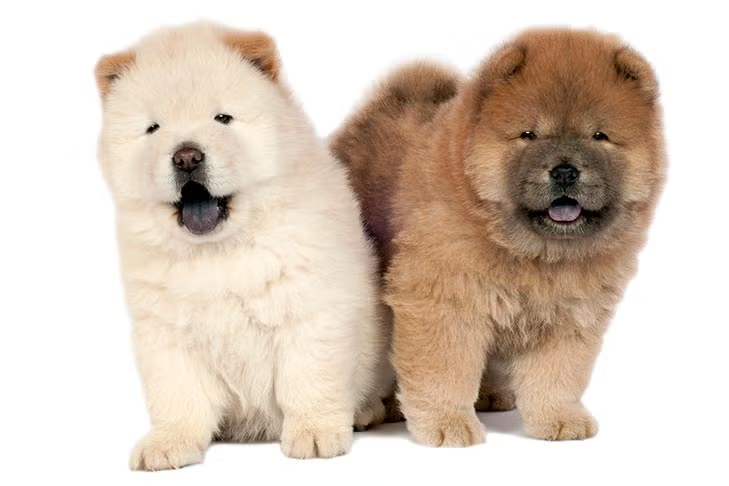
Owning a fluffy dog breed is fun, cozy, and photogenic—but it also means serious responsibility for grooming, exercise, training, and health. This guide covers what to expect and how to keep a fluffy dog happy, healthy, and comfortable.
1. Understanding fluffy dog breeds
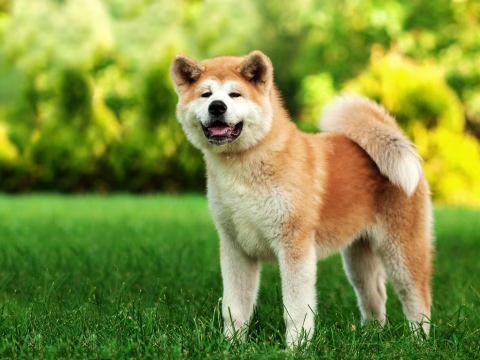
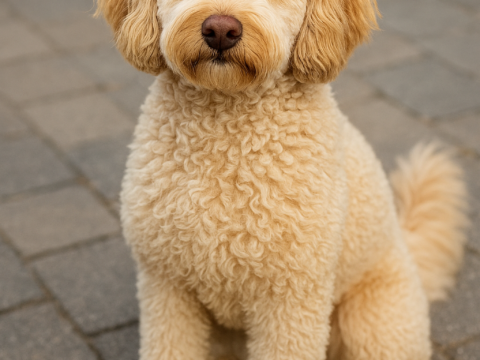
“Fluffy” isn’t a single breed; it’s a coat type shared by many dogs—tiny Pomeranians and Bichons, medium Shelties and American Eskimos, and big Samoyeds, Huskies, and Great Pyrenees. Fluffy coats are usually double coats (a dense, soft undercoat plus a longer outer coat), which means lots of shedding and higher grooming needs. Some fluffy breeds are lap‑dog companions, others are working or herding dogs needing serious daily exercise. Before you choose one, match the breed’s energy level and temperament to your lifestyle, not just its appearance.
Fluffy dogs tend to attract attention and handling from strangers, which can be great for social dogs but stressful for shy ones. Many of these breeds were originally bred for specific jobs—guarding, herding, sledding—so they can be vocal, energetic, or independent. Research the specific breed (or mix) you are considering and ask breeders, shelters, or rescues about typical temperament, shedding level, and health issues so you know what you’re signing up for long‑term.
2. Daily care: routine, exercise, and mental needs
Every fluffy dog needs a predictable daily routine: regular feeding times, walks, play, and rest. Most medium and large fluffy breeds need at least 60–90 minutes of exercise per day, sometimes more—broken into walks, free play, and training games. Smaller fluffy breeds may need less intense exercise, but they still benefit from multiple short walks and play sessions rather than being left to “exercise themselves” indoors. A tired dog (physically and mentally) is generally calmer and easier to live with.
Mental stimulation is just as important as physical exercise. Use puzzle feeders, snuffle mats, basic obedience practice, trick training, and scent games to give your dog a “job.” Many fluffy working breeds (like Huskies, Collies, or Shelties) become destructive or noisy if they’re bored. Short, five‑ to ten‑minute training sessions throughout the day can drain mental energy and strengthen your bond. Rotating toys (rather than leaving all out at once) also keeps things interesting.
3. Grooming and coat care (the big one)
Grooming is the main “hidden cost” of owning a fluffy dog. Most will need at least weekly brushing; many do better with brushing several times a week, especially during shedding seasons. Use the right tools for your dog’s coat—often a slicker brush and a metal comb for long or dense coats, and an undercoat rake for heavy shedders. The goal is to remove loose fur from the undercoat and prevent mats from forming near the skin.
Regular baths help keep the coat clean, but too‑frequent bathing can dry the skin; for many fluffy dogs, a bath every 4–8 weeks is enough, unless they get visibly dirty. Always brush thoroughly before and after bathing—water tightens mats, making them harder to remove. Never let a long or dense coat air‑dry without brushing; blow‑drying on low heat while brushing helps keep the coat fluffy and prevents tangles. For some breeds, professional grooming every 4–8 weeks is the easiest way to stay on top of coat care.
4. Shedding and home management
Most fluffy breeds shed—some lightly, some in massive seasonal coat blows. You should expect fur on clothes, couches, and in corners. Lint rollers, washable throws on furniture, and a strong vacuum (ideally with a pet‑hair attachment) become essential tools. Daily or near‑daily quick brushing can drastically cut the amount of hair that ends up in your home and can reduce shedding clumps.
During seasonal shedding, you may need to increase brushing to daily, using tools designed for undercoats. Never shave a double‑coated dog unless a veterinarian specifically recommends it for a medical reason; the double coat helps with both heat and cold, and shaving can damage regrowth and make them less able to regulate temperature. Instead, focus on thorough de‑shedding sessions and good air circulation at home (fans, air purifiers, regular vacuuming).
5. Training and socialization
Fluffy dogs are often chosen for their looks, but temperament and training are what make them great companions. Start training from day one: teach basic cues like sit, down, stay, come, leave it, and loose‑leash walking using positive reinforcement (treats, praise, play). Short, consistent sessions work best—multiple five‑minute sessions are more effective than one long one. Make sure all family members use the same commands and rules.
Socialization is crucial, especially for breeds that can be aloof, protective, or easily startled. Safely expose your dog to different people, dogs, sounds, surfaces, and environments while pairing experiences with treats and calm praise. Puppy classes or beginner classes are a good way to combine training, socialization, and guidance from a professional. A well‑trained, well‑socialized fluffy dog is much easier to manage when strangers want to pet them or when grooming requires handling sensitive areas.
6. Health, diet, and vet care
Fluffy coats can hide weight gain, skin issues, and lumps, so hands‑on checks are important. Run your hands over your dog regularly to feel for changes; you should be able to feel ribs with a light layer of padding, not buried in fat. Feed a high‑quality, appropriate diet (puppy, adult, or senior formula) and measure portions rather than free‑feeding. Obesity is a major risk factor for joint problems, heart issues, and reduced lifespan, and it’s easy to overlook under all that fluff.
Routine vet care—vaccinations, parasite prevention, dental checks, and annual exams—is non‑negotiable. Many fluffy breeds may be prone to specific issues: joint problems in large breeds, luxating patellas in some small breeds, eye problems, or skin conditions under dense coats. Regular checkups can catch problems early. Keep nails trimmed so they don’t catch in long fur and cause discomfort, and ask your vet or groomer to show you the correct way if you’re unsure.
7. Climate and comfort (heat, cold, and skin)
Fluffy dogs often tolerate cold better than heat, but each dog is an individual. In hot weather, provide shade, fresh water, and cool resting places; avoid intense exercise during the hottest part of the day. Watch for signs of overheating: excessive panting, drooling, weakness, or confusion. In warm climates, air conditioning or fans and cooling mats can help. Never leave any dog, especially a fluffy one, in a parked car.
In cold weather, many fluffy breeds are comfortable for longer outside, but that doesn’t mean they should live outdoors. Wet fur plus wind can still chill them, and paws can crack on ice or snow. Clean and dry paws after walks, and check for ice balls in the fur between toes. Indoors, dry air and central heating can lead to dry skin; using a humidifier and not over‑bathing can help keep skin healthier.
8. Home setup and daily management
Set up your home to work *with* the fluff, not against it. Provide a comfortable bed (or several) in quiet spots, away from drafts or direct heat. Washable covers are extremely helpful. If you don’t want fur on every piece of furniture, train your dog from the beginning to stay off specific pieces or to only use a designated blanket or dog sofa. Baby gates can help keep certain rooms fur‑free.
Keep grooming supplies organized in one place: brushes, combs, nail clippers or grinder, dog‑safe shampoo, towels, and ear wipes. Doing small bits of care regularly is much easier than letting matting and overgrown nails build up. Start handling paws, ears, tail, and belly early and pair that handling with treats so your dog feels safe during grooming and vet visits.
9. Time, budget, and lifestyle fit
Fluffy dogs often cost more in grooming (either tools or professional services) and cleaning supplies, and they can take more of your time. Factor in regular grooming sessions, more frequent vacuuming, and the potential need for professional grooming every 4–8 weeks, depending on the breed. If you dislike fur on clothing, don’t enjoy brushing, or have severe allergies, think carefully before choosing a very fluffy breed.
On the positive side, all that fluff often comes with a very cuddly, photogenic companion who loves being part of your daily life. If you enjoy brushing as bonding time, don’t mind extra cleaning, and can provide training, exercise, and vet care, a fluffy dog can be an amazing addition to your home. The key is going into it with clear expectations: you’re not just adopting a “walking teddy bear,” you’re committing to a living, feeling family member with specific care needs.
10. Quick checklist for fluffy dog care
– Brush at least several times a week; daily in shedding seasons.
– Bathe every 4–8 weeks (or as needed), brushing before and after.
– Provide 1–2 hours of daily exercise for most medium/large breeds; adjusted appropriately for small or low‑energy dogs.
– Do daily or near‑daily mental enrichment (training, puzzles, sniff games).
– Keep nails trimmed and teeth cleaned; schedule regular vet visits.
– Manage the home environment with good vacuums, covers, and clear furniture rules.
– Train with positive reinforcement and start socialization early.